
OEM Kia Soul Timing Belts


Timing Chain

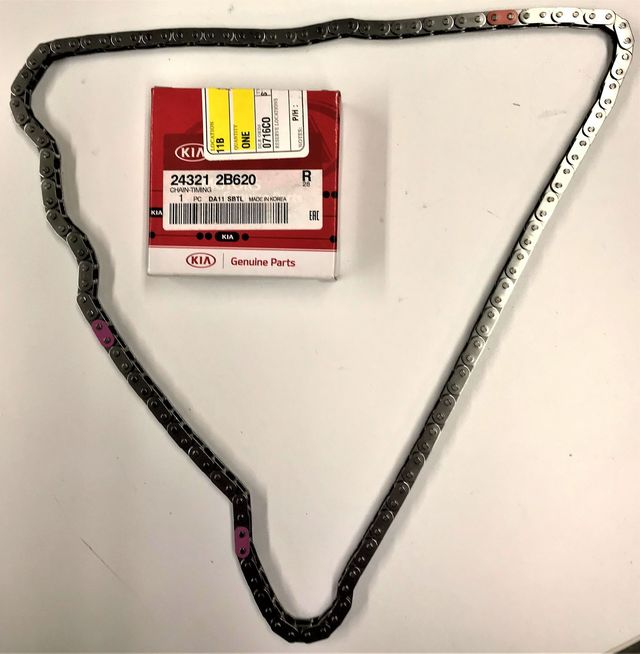
Timing Chain
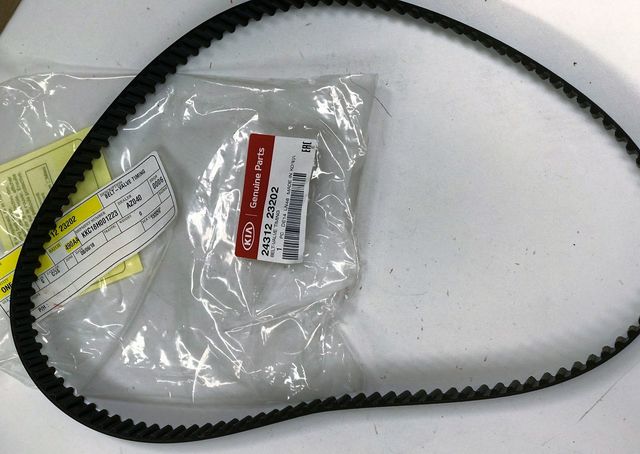
Timing Belt

Timing Chain



Engine Timing Chain Tensioner

Engine Timing Chain Tensioner
Engine Timing Chain Tensioner
No results found for "timing belt, timing". Here are some helpful search tips:
- Search by a part name. Example: water pump.
- Be less specific. Example: brake instead of ceramic brake.
- Remove information such as make, year or model.
- Can't find the part you are looking for? Contact us and we'll find it for you!
TL;DR Summary
Kia Soul timing belt fitment depends on the exact engine and model year. Genuine Kia timing components provide an OEM replacement path for supported engine applications that use a timing belt.
Shop Kia Soul Timing Belts by Engine Application
Timing components are engine-specific, and not every Kia Soul engine uses the same timing design. Some engines may use different timing components, so it is important to confirm whether your specific Soul application requires a timing belt and which related parts apply. This category helps owners shop genuine Kia timing belt parts with fitment accuracy in mind.
Because timing system service is critical to engine operation, correct part selection matters. A belt that is not intended for your engine may not match the required length, tooth profile, or service configuration.
What This Category Includes
- Genuine Kia Soul timing belts where applicable
- OEM timing-related engine parts for supported applications
- Parts matched by engine, model year, and trim
- Related Kia categories, including engine parts and filters
Why Kia Genuine Parts Matter
Genuine Kia timing belts and related timing parts are selected according to factory engine application data. Aftermarket timing components may vary by material, kit contents, and fitment notes. OEM Kia parts help owners follow the correct replacement path for supported engines.
How to Choose the Right Part
Start by confirming the engine in your Kia Soul. Then check whether the vehicle uses a timing belt and review the listed part notes. Timing service may involve additional components, so consult your Owner’s Manual or service information before ordering.
Compatibility / Fitment Guidance
Kia Soul timing belt compatibility is engine-specific. Do not assume the same timing part applies across model years or engine sizes. Use VIN lookup when available and review all production notes.
Key Takeaways
- Timing belt parts must match the exact engine.
- Not every application may use the same timing design.
- OEM Kia timing parts follow factory application data.
- Related engine parts may be needed for timing service.
FAQ
Does every Kia Soul use a timing belt?
No. Timing system design can vary by engine and model year. Confirm your specific application.
How do I choose the correct timing belt?
Use your engine, model year, trim, and VIN lookup when available.
Should timing service include other parts?
It may. Review service information for your specific engine before ordering.
Why choose genuine Kia timing parts?
They are selected for supported Kia engine applications and factory fitment requirements.